7
   

Why Knot?


View Profile Francis
 
  1  
Reply Thu 15 Jan, 2009 01:55 am
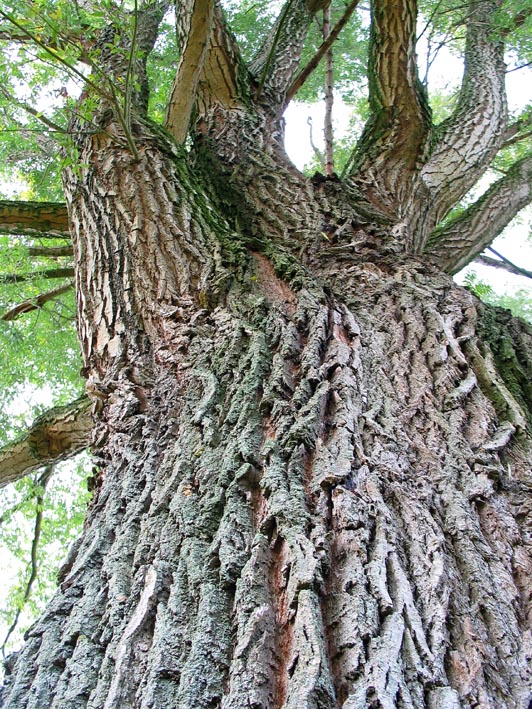
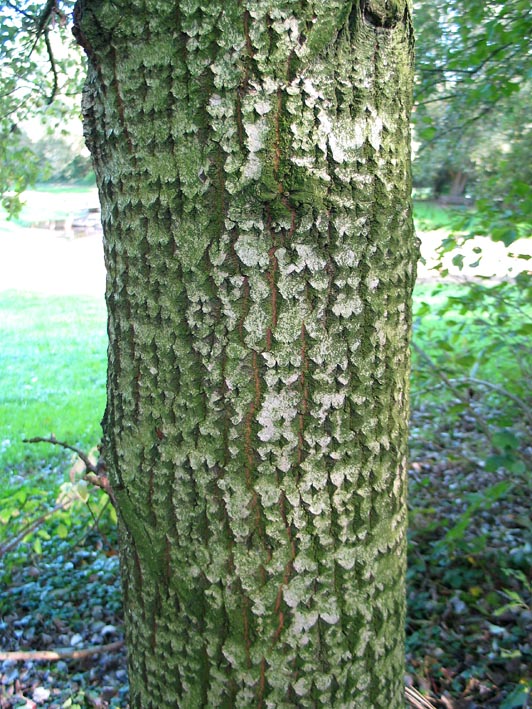
I don't know whom of us is mistaking this tree, as it could be a matter of translation, but on your very site you can see the description and a picture of an acacia trunk:

http://www.bomengids.nl/pics/Witte_acacia__Robinia_pseudoacacia__Black_locust@2@bastdichtbijbarkupclose@img_5350.jpg
0 Replies
 
View Profile Francis
 
  1  
Reply Thu 15 Jan, 2009 01:59 am
And here, what a Poplar looks like:

http://www.bomengids.nl/pics/Witte_abeel__Populus_alba__European_whitepoplar@populierabeelwit@1@bastdichtbijbarkupclose@img_5101.jpg
View Profile dadpad
 
  1  
Reply Thu 15 Jan, 2009 02:40 am
francis I am inclined to believe that your tree is not an acacia. Can you scrounge up a few seeds or pods and some leaves from under the tree?
have the "leaves" always been that shape or was there a juvenile form of "leaf"
You are of course correct by saying that some acacias have a very long lifespan. Acacia melanoxyn *(blackwood) is a very good example living up to 100 or more years.
Is your tree deciduouse (do the leaves fall off in autumn) or evergreen?

View Profile dadpad
 
  1  
Reply Thu 15 Jan, 2009 02:47 am
The first tree pictured is not an acacia (alex's post). It is possibly an elm of some type. The infection is probably elm leaf beetle. Difficult to treat and the tree will eventualy die. Treatment involves injecting the soil to kill larvae.

francis's tree is not a poplar.
0 Replies
 
View Profile Francis
 
  1  
Reply Thu 15 Jan, 2009 02:52 am
DP, the more I look at the original picture the more I believe it's what we call an Acacia.

Take a look here, on the leaves and flowers of that tree. I've many of them in my garden.

Acacia

They are obviously deciduous.

Last week they were under the snow and looked absolutely like the first picture.
View Profile dadpad
 
  1  
Reply Thu 15 Jan, 2009 02:58 am
to the best of my knowledge there are no deciduouse acacias francis? I need to do some domestic chores but I will return.
Acacia usually (in all but one case) has a feathery juvenile leaf.
View Profile Francis
 
  1  
Reply Thu 15 Jan, 2009 03:03 am
As I said before, it's probably a matter of translation but I think I found the right tree, in English:

Black Locust
0 Replies
 
View Profile dadpad
 
  1  
Reply Thu 15 Jan, 2009 03:42 am
So I have looked at your link now francis.
Robinia is NOT an acacia. It is not even part of the mimosoides family although it does have the common name psudoacaia. (psudo means like or near to).
I think Robinia belongs to the fabiacea family.
0 Replies
 
View Profile dadpad
 
  1  
Reply Thu 15 Jan, 2009 03:48 am
Can you translate this for me francis? do it another time if you are busy. As an aside I am led to believe robinia wood is very beautiful

Utilisations : le Robinier émet des stolons grâce auxquels la plante se propage, aussi l'utilise-t-on souvent pour fixer les terrains menacés d'affaissement (digues, terre-pleins) et pour reboiser les sols stériles. Il colonise naturellement remblais, talus et terrains vagues. De son bois robuste et durable, on fait des piquets de vigne. Trituré, le bois produit de la teinture jaune.
Les grappes de fleurs blanches sont mellifères d'où le miel d'acacia. Riches en nectar, les fleurs de robinier peuvent être consommées en beignets ou en sirop.
View Profile Francis
 
  1  
Reply Thu 15 Jan, 2009 04:38 am
Tell me if my translation makes sense from a technical point of view:

-The black locust shoots stolons (runners) that allows the plant to spread. That's why it's often used to prevent risks of landsliding (dikes, open areas) and to reforest barren lands.
It colonises naturally embankments and vacants lots. Its robust and sustainable timber makes good vine stakes. Crushed, it produces yellow dye.
Its white flowers' clusters are melliferous thus acacia honey. Rich in nectar, Locust flowers can be eaten in cakes or syrup.
View Profile dadpad
 
  1  
Reply Thu 15 Jan, 2009 04:54 am
Makes perfect sense francis.

Francis wrote:

Tell me if my translation makes sense from a technical point of view:

-The black locust shoots stolons (runners) that allows the plant to spread. That's why it's often used to prevent risks of landsliding [erosion? although the original text may well have meant landslide] (dikes, open areas) and to reforest barren lands.
It colonises naturally embankments and vacants lots. Its robust and sustainable timber makes good vine stakes. Crushed, it produces yellow dye.
Its white flowers' clusters are melliferous technically correct but not a word in general usage thus acacia honey. Rich in nectar, Locust flowers can be eaten in cakes or syrup.I didnt know that


Robinia is a [controlled] weed in Australia. Nasty spikes on it too.
0 Replies
 
  1  
Reply Thu 15 Jan, 2009 07:12 am
But Francis (also my real name), I only said that the
bark looked similar. Had there been any of
acacia's leaves or locust's thorns in Alex's photos
then I would agree with your guess. My vote still
stands. Let's wait for Alex to choose...
0 Replies
 
  1  
Reply Thu 15 Jan, 2009 02:17 pm
Mature Populus Nigra with burrs showing remnants of witch's broom twigs on them.
0 Replies
 
  1  
Reply Sat 29 Aug, 2009 11:34 am
Okay. Here is a picture of the foilage. I have went through all the books at the library. Internet search too. Still do not know the exact classification/species.
http://i444.photobucket.com/albums/qq164/alex240101/100_0862.jpg

http://i444.photobucket.com/albums/qq164/alex240101/100_0866.jpg
View Profile Francis
 
  2  
Reply Sat 29 Aug, 2009 12:37 pm
That's great that you could post the foliage!

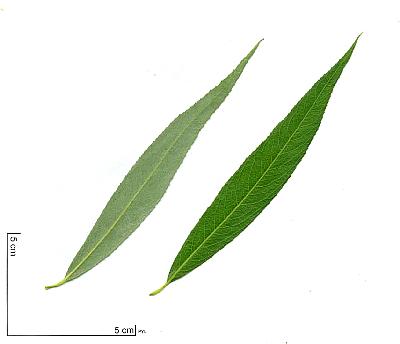
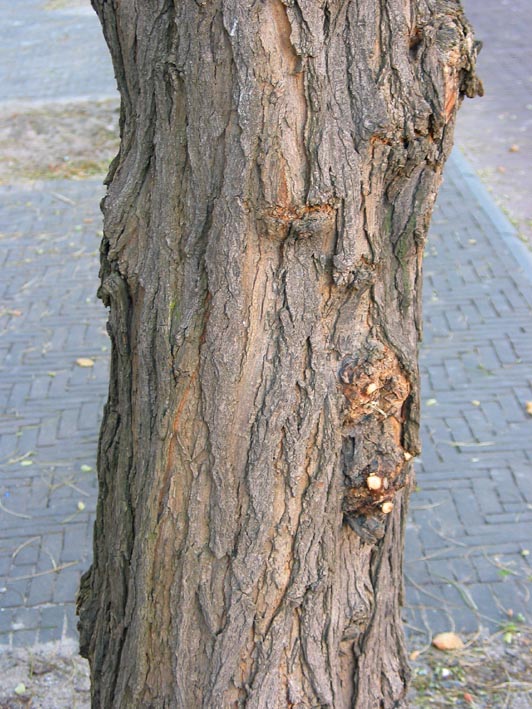
Now we can identify that tree: it's a a white willow (Salix alba).

I was mistaken at first because of the similarity of the bark with the Robinia.

White willow leaves:
http://www.lesarbres.fr/400/sauleblf.JPG

White willow bark:
http://www.bomengids.nl/pics/Schietwilg__Salix_alba__White_willow@alba@1@bastdichtbijbarkupclose@img_4744.jpg
  1  
Reply Sat 29 Aug, 2009 09:46 pm
Yes. Yes.

Thank you Francis.
0 Replies


Related Topics

GARDENING - Discussion by Patricia Holland
The joys of gardening. - Discussion by gustavratzenhofer
Tough as a weed! - Question by easyasabc
Help me combat a gardening terrorist. - Discussion by edgarblythe
Speaking of deciduous trees... - Question by SallyMander
Mulch question - Question by sozobe
Recognize This Flower? - Discussion by Pitter
Lighter Fluid in Organic Garden - Discussion by dupre
White Fly-Hibiscus - Discussion by Gala
 
  1. able2know
  2. » Why Knot?
  3. » Page 2
Copyright © 2009 Horizontal Verticals :: Page generated in 0.36 seconds on 11/24/2009 at 08:03:27 Top End